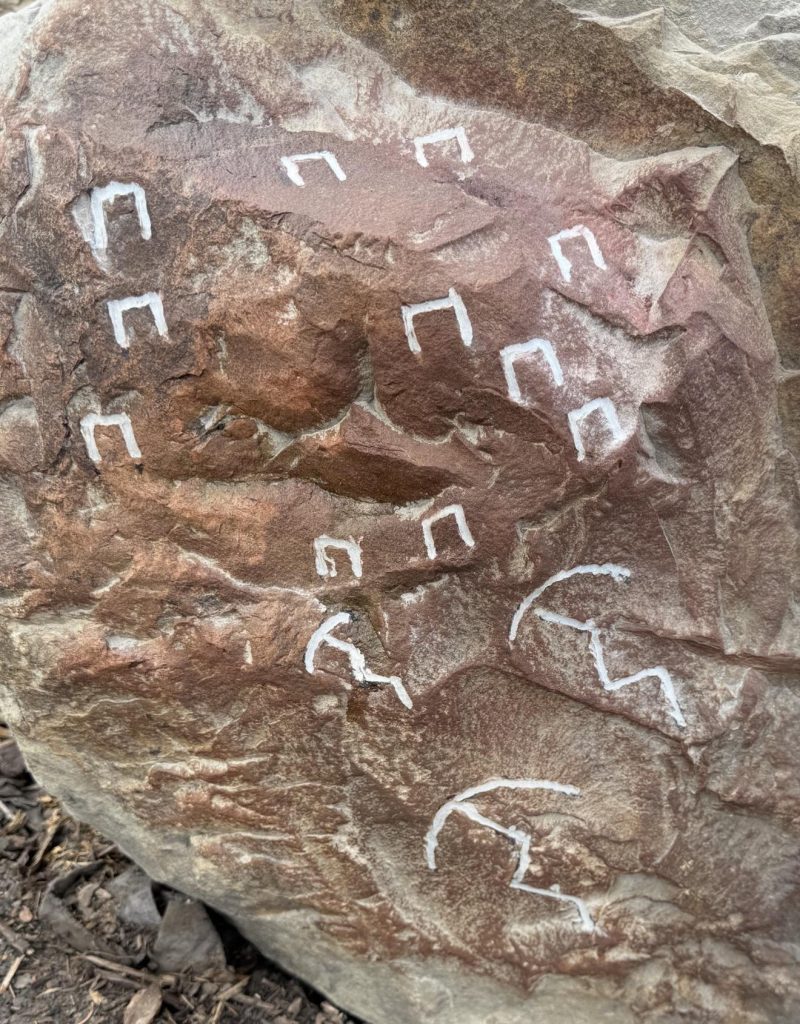
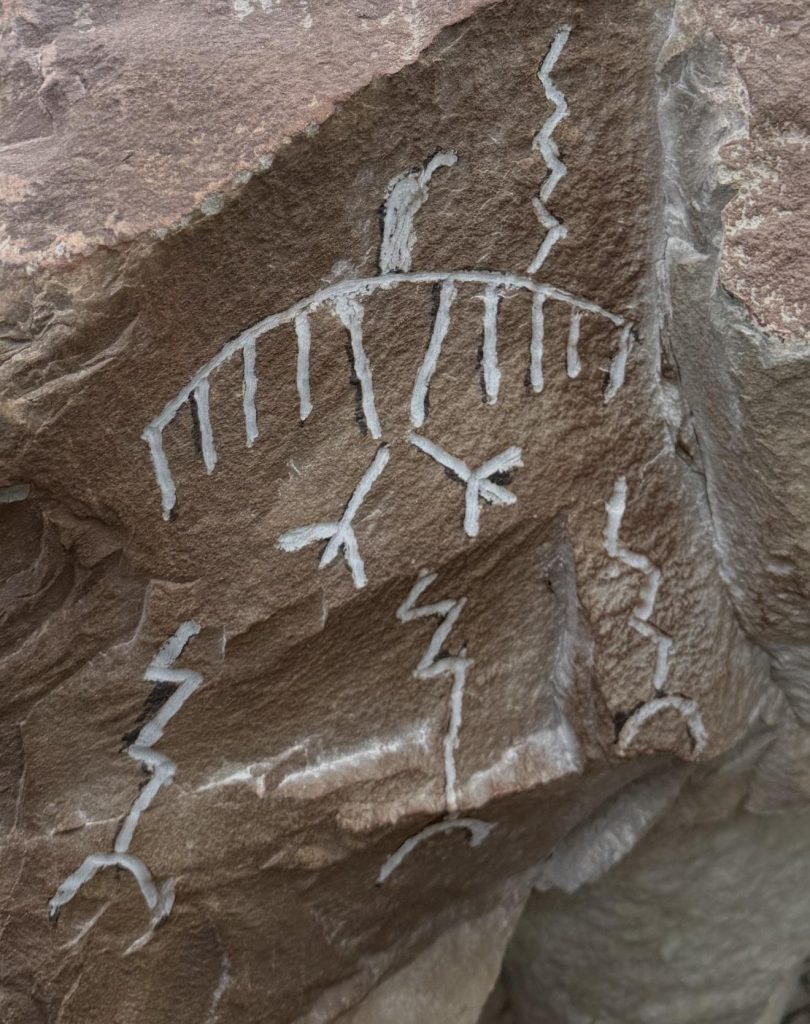
Petroglyphs (rock carvings) were used by ancient and Indigenous cultures primarily as a formalized medium for communication, spiritual practice, and geographic mapping

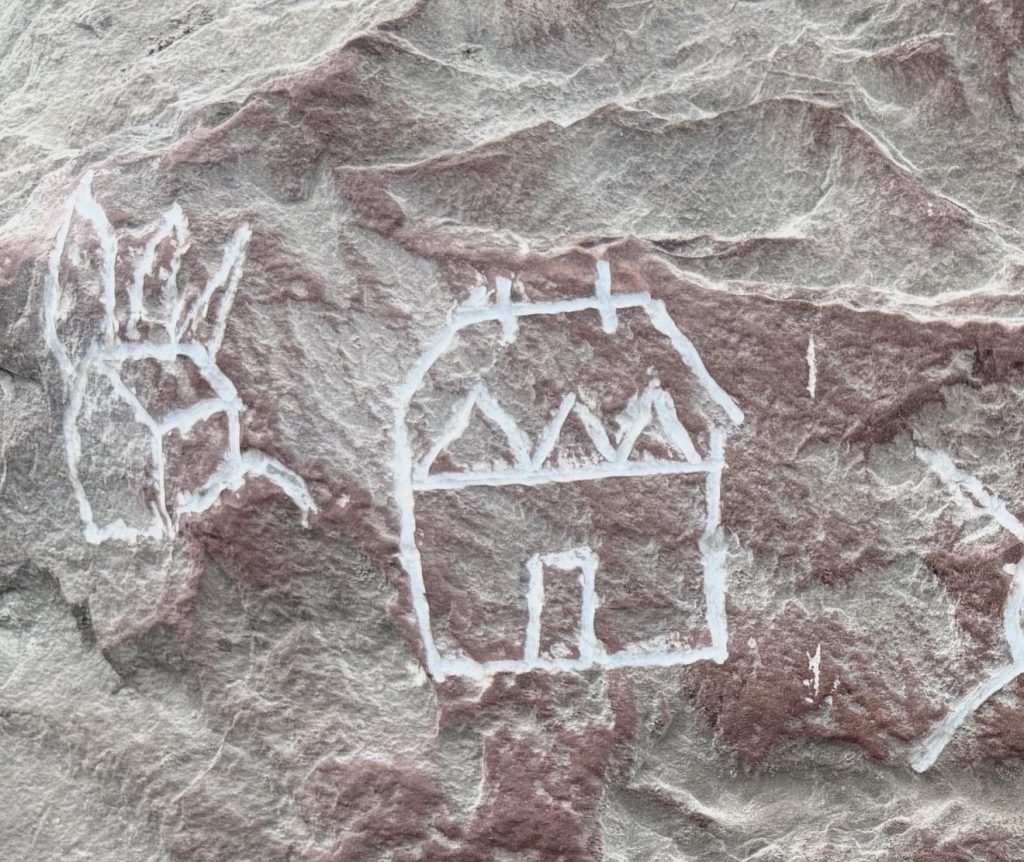
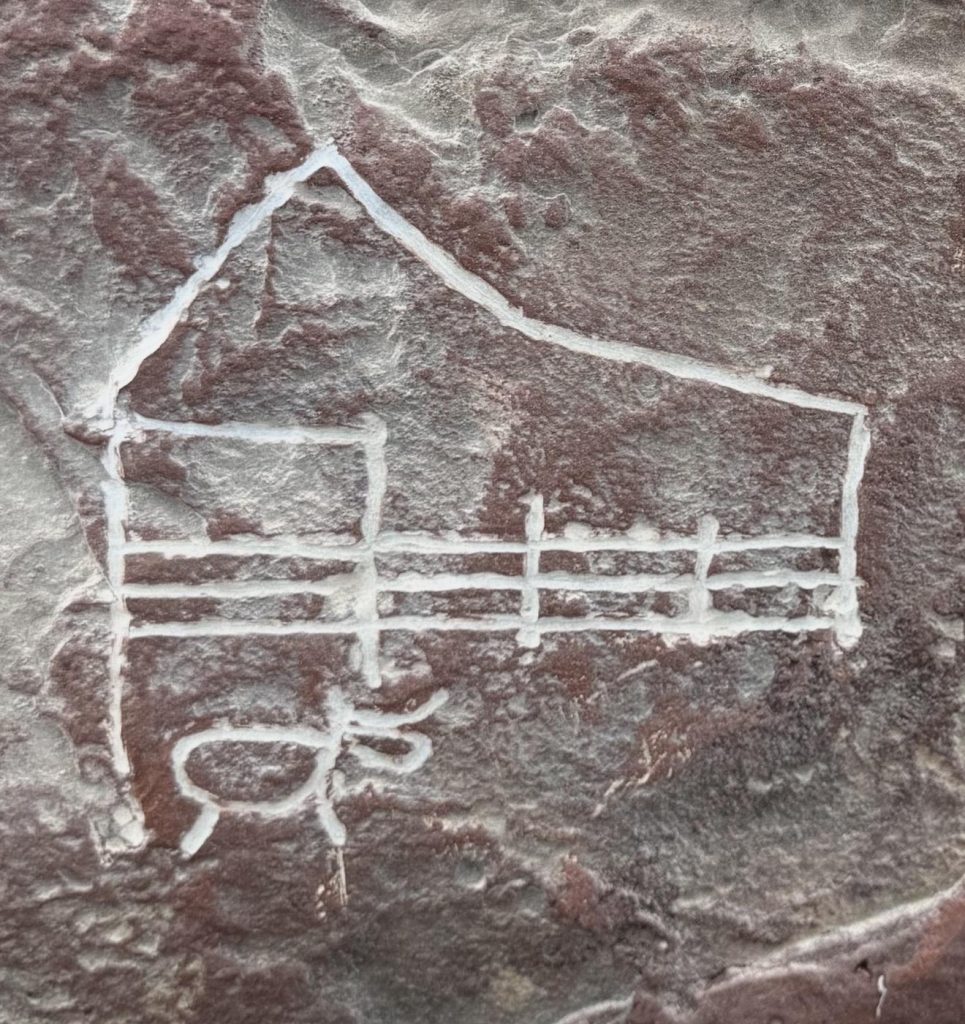
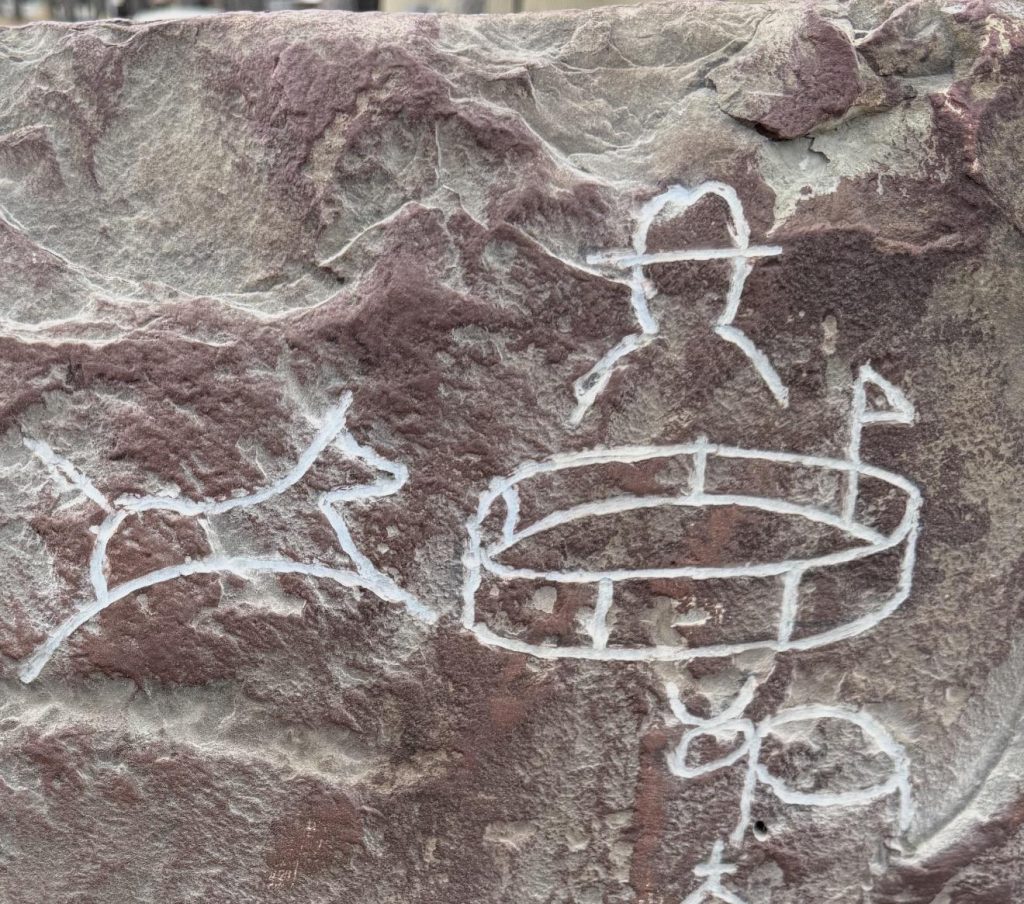
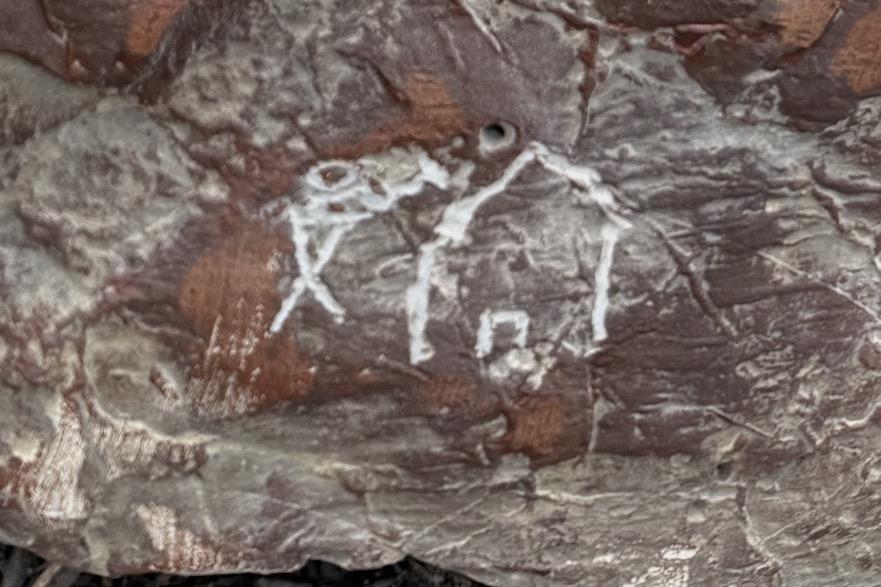
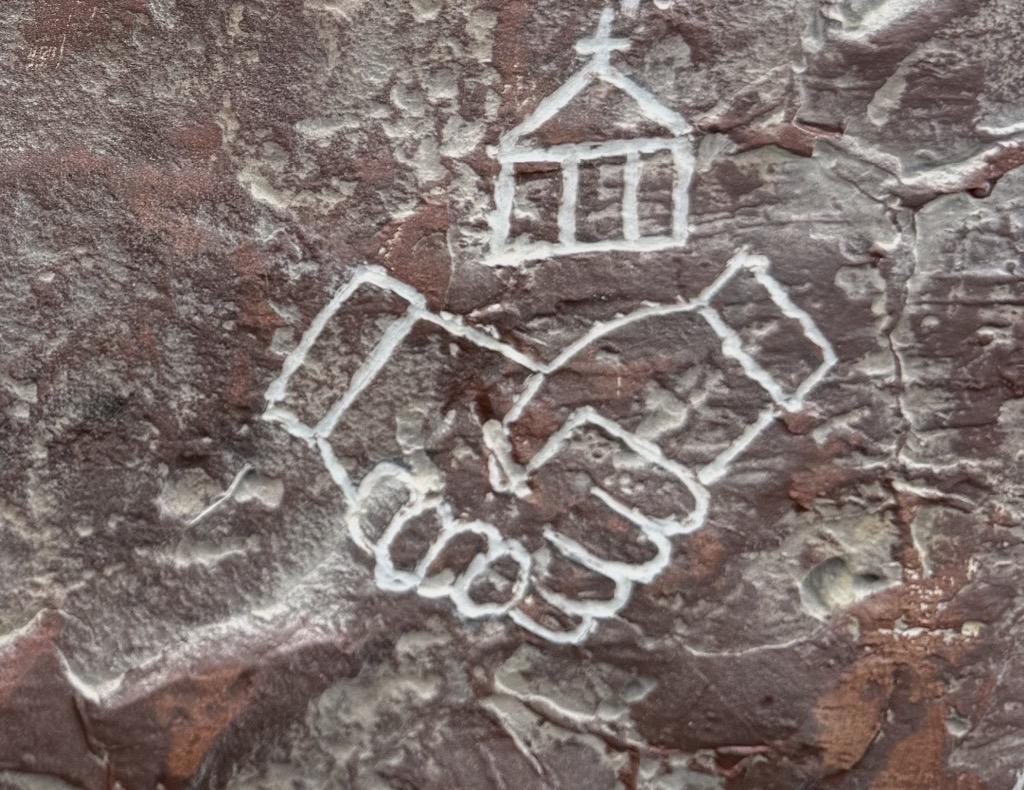
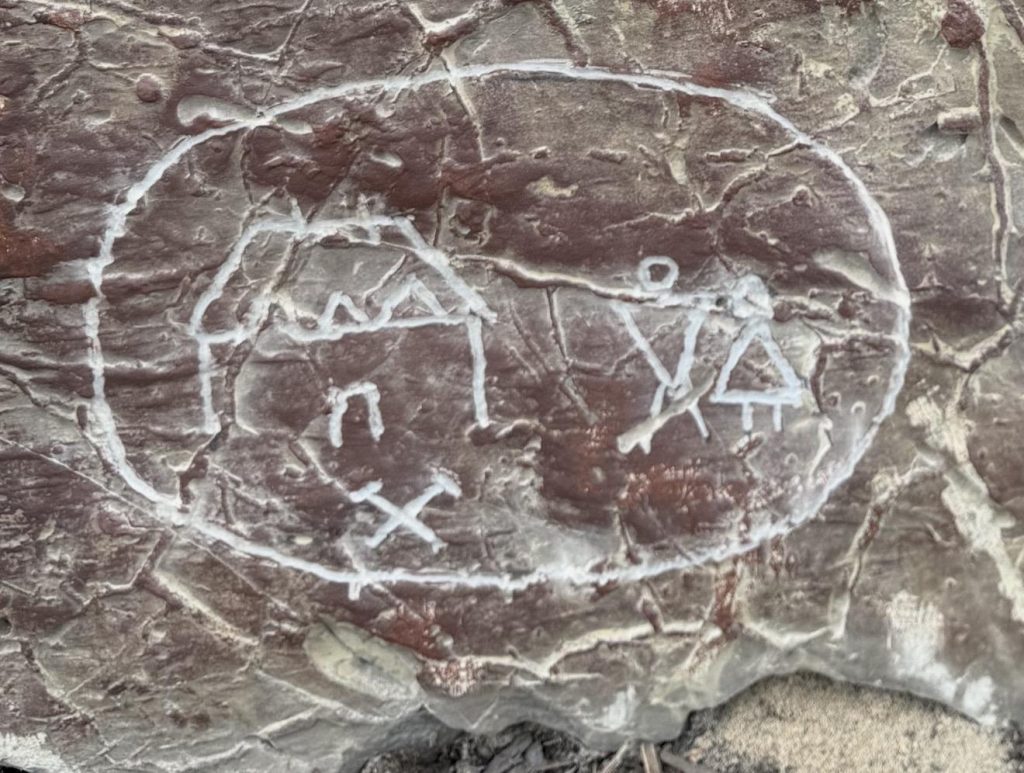
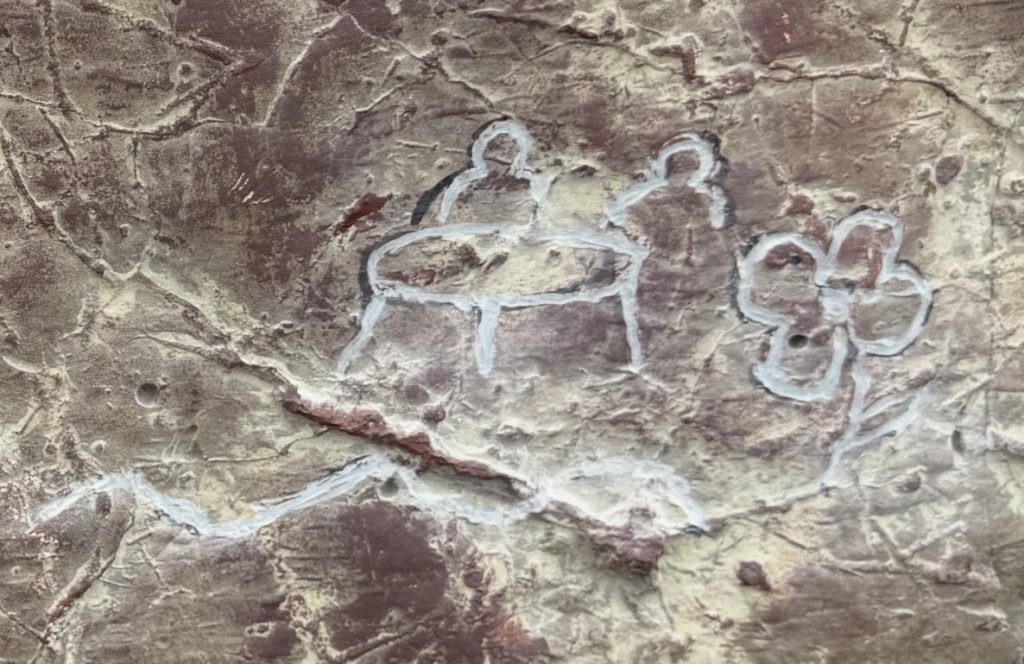
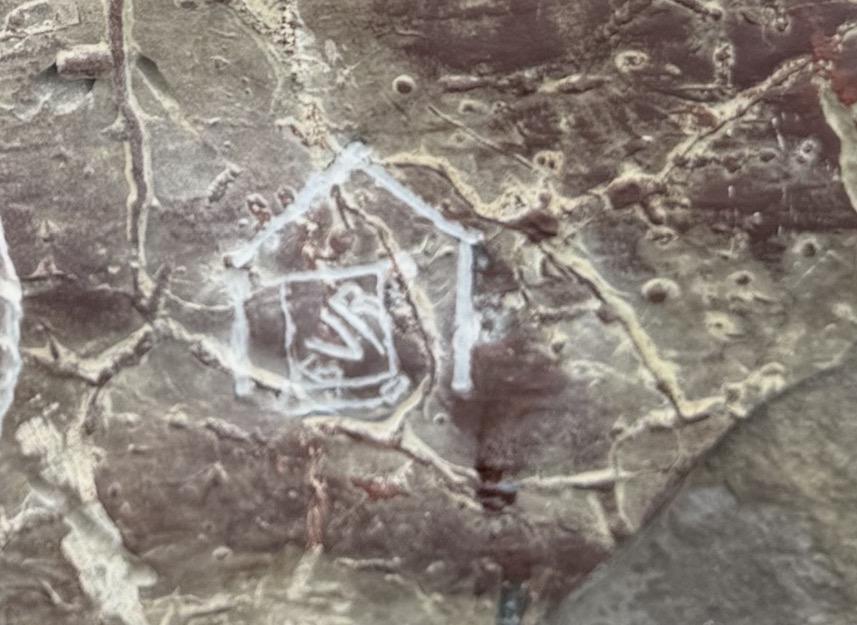
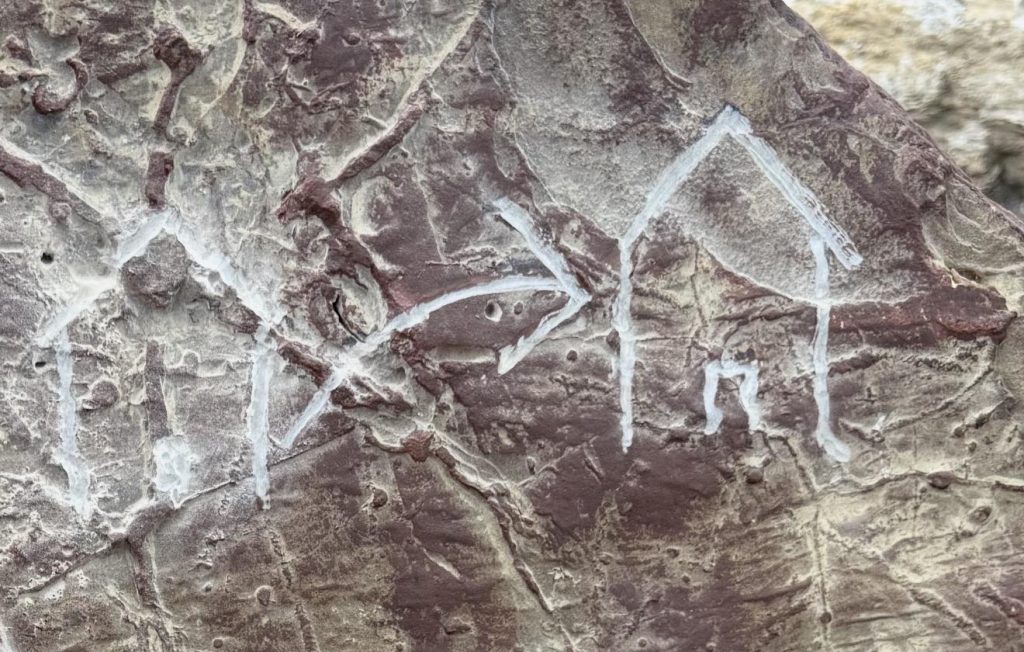
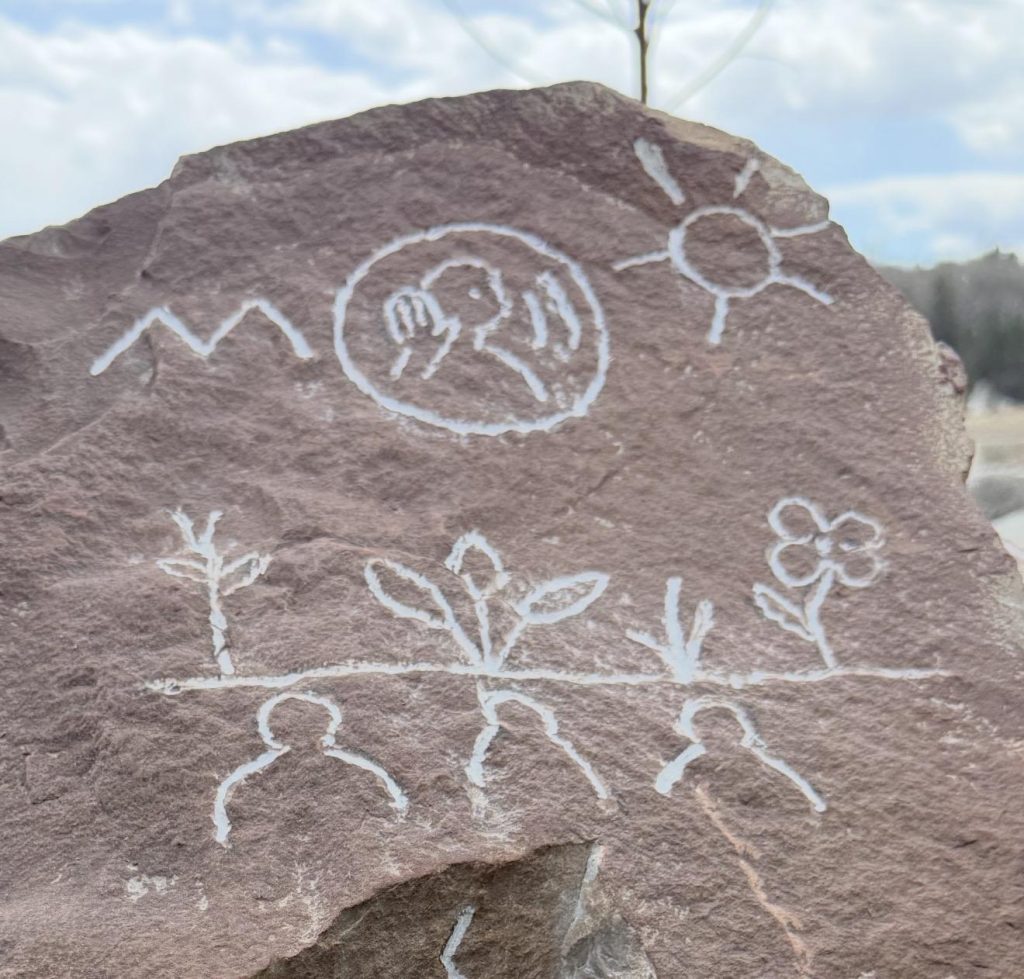
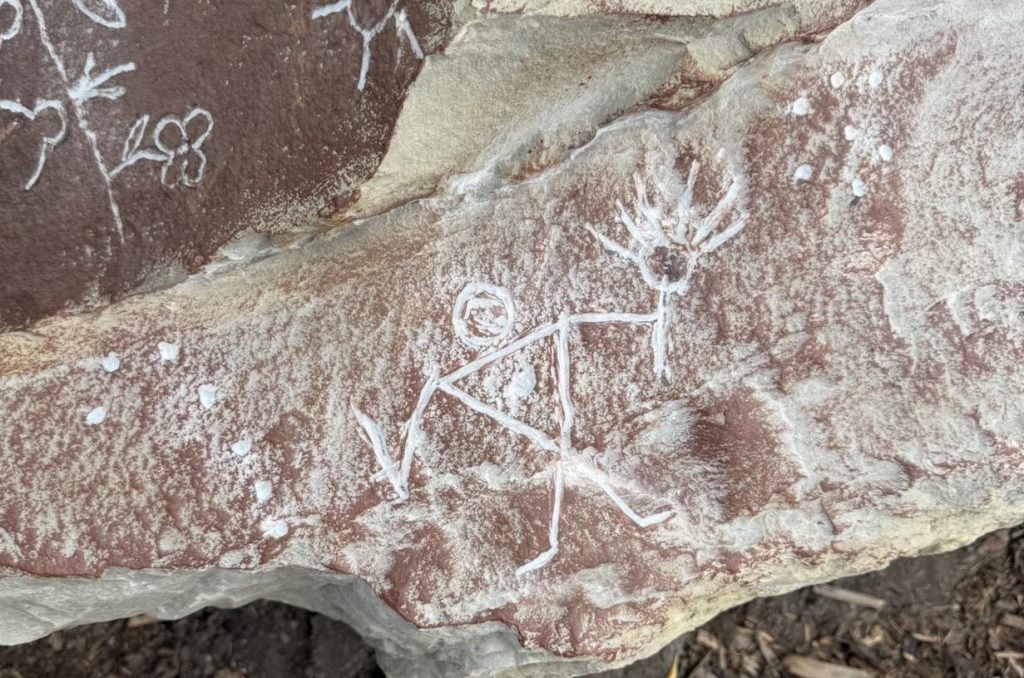
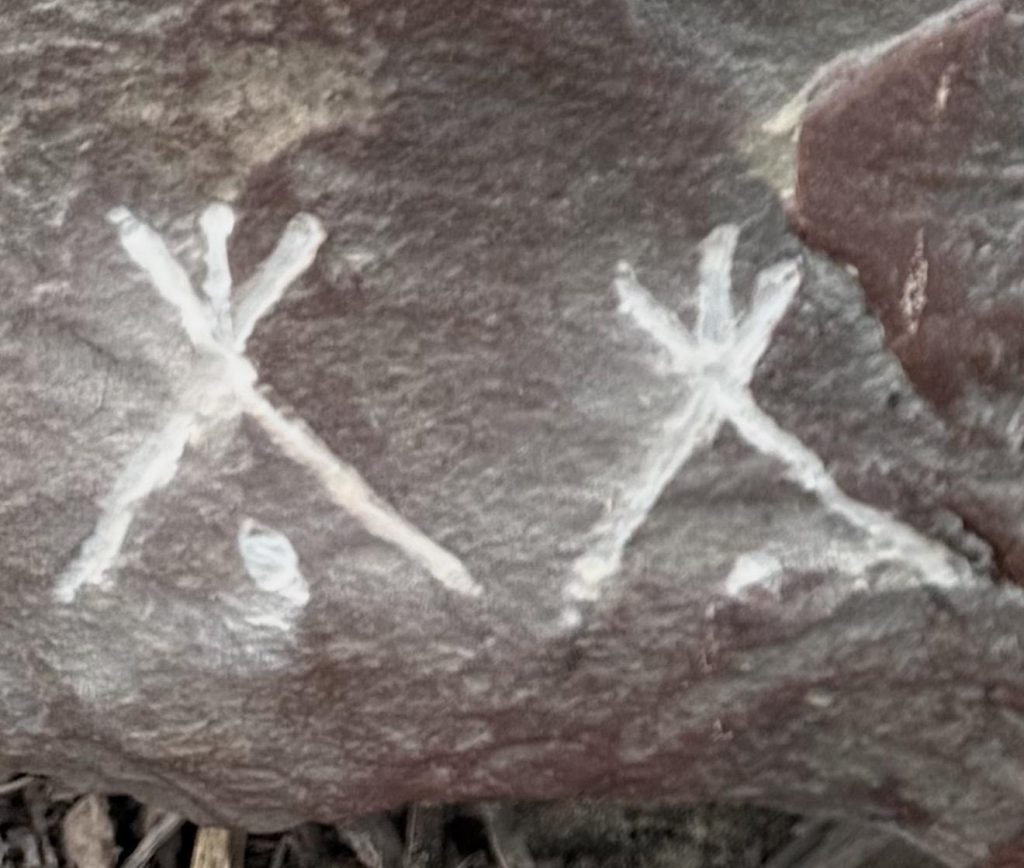
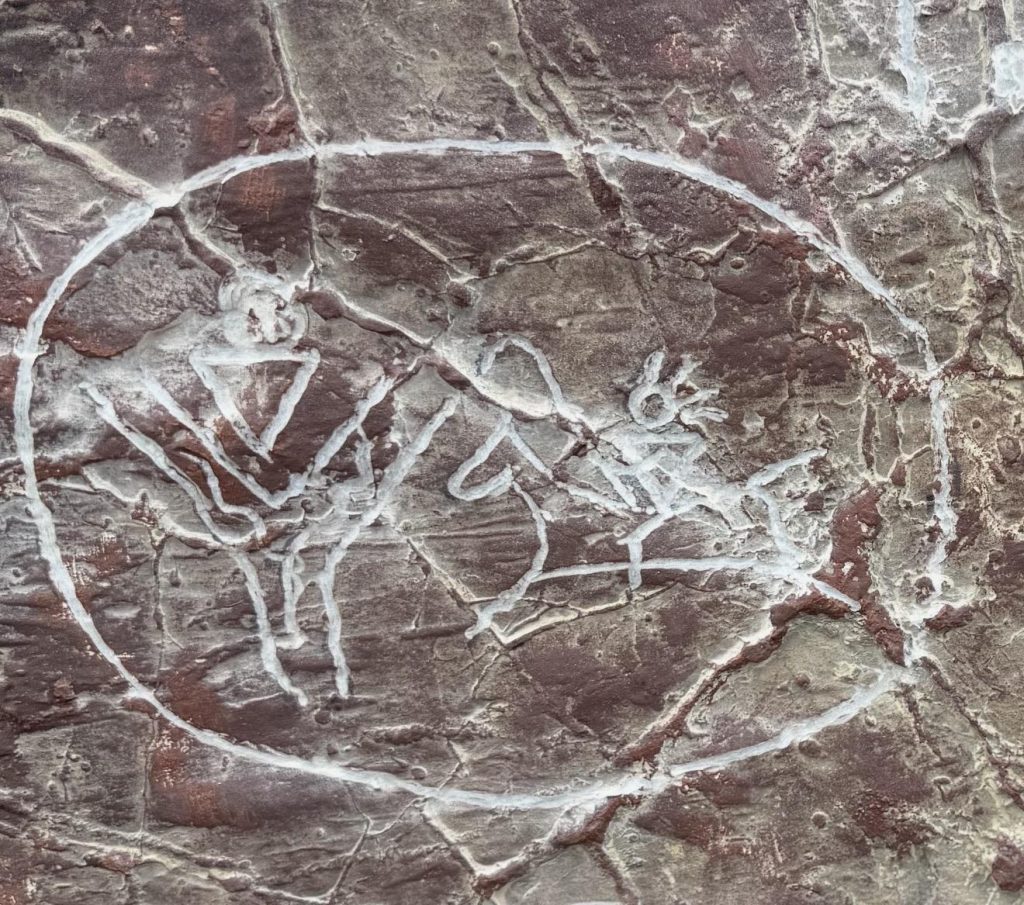
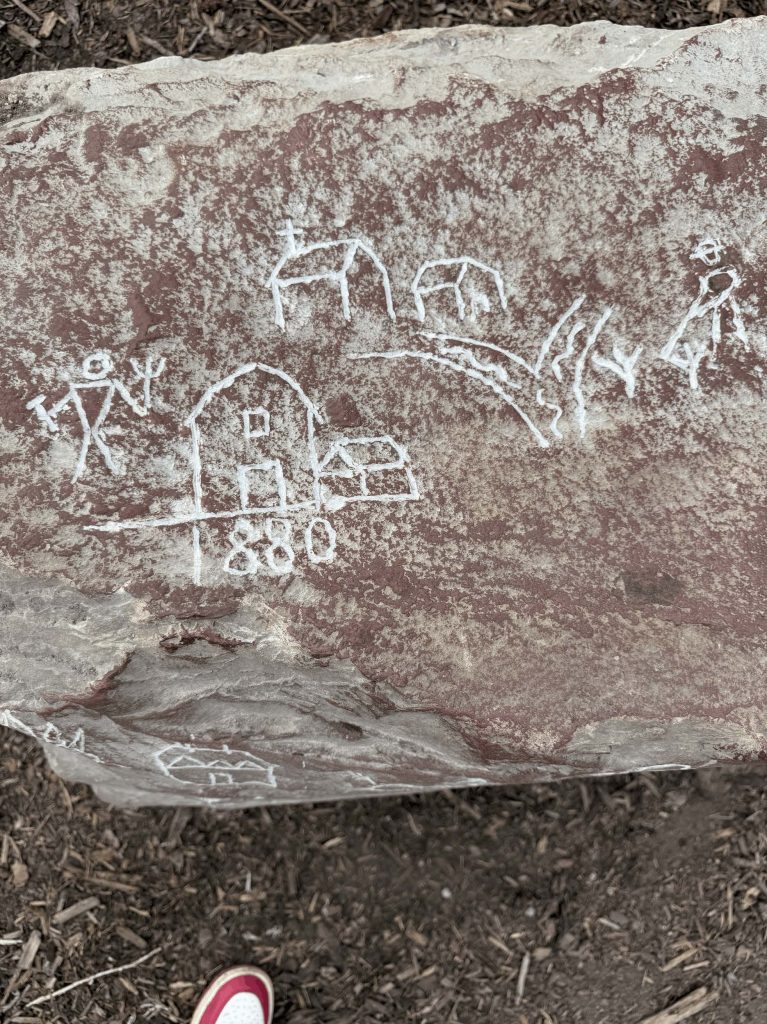
In July of 2026 Trevor Kiitokii was commissioned to do a petroglyph carving outlining the history of Fish Creek Park . The following is the explenation of the symbols on the petroglyph
Before the ranch (pre-1870s)

The Fish Creek–Bow River confluence area has long been used by Indigenous peoples; the modern site acknowledges Treaty 7 Nations and Métis connections.

1873–1879: First European-settler homestead on the site (John Glenn)

  • 1873 (sometimes cited 1874–75): John Glenn, recognized as one of the first
    settlers in the Calgary area, established a homestead near where Fish Creek meets the Bow River.
  • Glenn built a log house and barns and began farming/clearing land; heritage records describe this as the beginning of the site’s ranch/farm story.
  • 1879: The property was purchased by the government and used as an instructional farm connected to federal commitments to teach farming (Treaty 7 era).

1880: Government Supply Farm (a.k.a. “Government Farm”)

1880: Heritage records note the government established a supply farm (“the Government Farm”).

1892–1896: William Roper Hull era begins; original log house burns; present house built

  • 1892: William Roper Hull purchased the property (heritage sources describe it changing hands and uses multiple times before this purchase).
  • 1896: Hull commissioned and built the brick, two-storey Tudor/Gothic Revival ranch house that still stands today (architect: James Llewellyn Wilson; builder: Jean Watson).
    • The house became a focal point for upper-class country entertaining and social gatherings in the late-Victorian period.
    • Heritage records also credit Hull with early/innovative irrigation use on the property (including being described as a first mover in applying modern irrigation for grain growing on the site).

1902–1973: Patrick Burns and the Burns family ownership (working ranch and “cattle empire” logistics)

  • 1902: Patrick Burns purchased the property (often described as part of the operational backbone of his meat-packing/ranching enterprise).
  • The ranch functioned as a feeding/holding/sorting point tied to Burns’ meat-packing operations; heritage sources note major ranch expansion under Burns.

1912 context (associated historical linkage):

  • Burns is historically recognized as one of Calgary’s “Big Four” investors behind the Calgary Exhibition and Stampede—a point noted in national heritage descriptions of the site’s associative value.
  • The property remained an active ranch through this era until government acquisition (heritage records explicitly mark the ranch as active until 1973).

Major mid-century building/site changes (Burns family era)

  • 1946 and 1957: Two additions were made to the ranch house (national register description)
  • 1945: A heritage register entry notes the house became the permanent home of John Burns (Patrick Burns’ nephew) and was completely remodelled
  • 1957: A new one-storey wing was added, designed to closely match the original exterior.

1973: Government of Alberta purchase; Fish Creek Provincial Park era

  • 1973: The Government of Alberta purchased the property and incorporated it into what became Fish Creek Provincial Park.

1995–2001: Community-led rescue/restoration and formal protection

  • 1995: Local residents Larry and Mitzie Wasyliw founded what is now the Bow Valley Ranche Historical Society after concerns the Ranche House could be demolished; the society’s mandate was to restore and oversee the site.

2000 (restoration + public re-opening as dining)

  • The Ranche House was restored and opened as a fine-dining restaurant around 1999–2000 (sources vary by a year, but agree on the late-1990s reopening).

2001- April 3

The house was formally designated a Provincial Historic Resource (Province of Alberta).

2000 (restoration + public re-opening as dining)

  • The Ranche House was restored and opened as a fine-dining restaurant around 1999–2000 (sources vary by a year, but agree on the late-1990s reopening).

Today:

The site functions as the Bow Valley Ranche Restaurant and related heritage/garden programming under the Historical Society’s stewardship, within Fish Creek Provincial Park.

Heritage documentation also describes a foreman’s house brought to the site from another property and assigned to a foreman and his wife in the early 1900s (reflecting the wider working-ranch complex beyond the main house).

iiststii’ik (Listen) Garden (major new garden initiative)

  • The Society describes iiststii’ik (Listen) Garden as a large healing garden project (approx. 3 acres) grounded in native plants and Indigenous knowledge, tied to the Royal Canadian Geographical Society’s Seeds of Change initiative and guided in collaboration with Blackfoot Elders.

  • Reporting in 2025 notes the Listen Garden broke ground in May 2025 and frames it as a multi-year land transformation project.

PAST People of the Land Stories

Napi

Napi is often depicted as a significant figure/storyteller for the Niitsitapii. He is seen as a prominent figure with eyes and carrying offerings in each hand. The Stars depicted with Napi are the Pleiades and the Big dipper. Which are often seen on various Niitsitapii artworks and tipi’s.

Tipi

  • The tipis are on the front facing portion of the rock, symbolizing that the people of the land were always nearby. Watching and documenting through oral history.

Scouts Trails:

The original people of the lands scouted favourable lands to make camp. The horse tracks are seen here as many travels have been through this area. Many scouts have thought this location to be significant to make camp. Confluence of rivers and creeks were a favoured spot.

The Thunder bird

  •  The thunderbird is a sacred symbol. Stories and teaching tell that the Thunders come from the western mountains. Because of the close proximity to the mountains the Thunderbird is depicted here.