
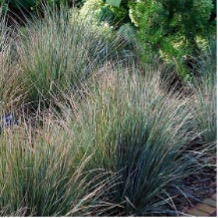
In contemporary ecology, we sometimes see, the idea that the best way to conserve nature is to keep people out, but this does not recognize the integral connection between human communities and their ecosystems. We often learn in ecology that it is our duty to be good land stewards, that we are in control of the earth, as opposed to apart of it. The idea that we are “land stewards”, speaks to our lack of connection with the earth, our own ego, and need to control and exist in the moment – as opposed to the reality. A reality that indigenous communities have adopted long ago, and that is we are equal and apart of nature. The notion that we are not “in charge” of the land, but one with the land, will greatly impact the approach on how we interact with ecosystems.

Indigenous understanding of ecology hinges on the idea that we exist with nature, and maintaining a reciprocal relationship with nature is key in having healthy ecosystems. Reciprocity on all levels, emotionally, physically, intellectually and spiritually. Many indigenous communities will give tobacco to the earth when they forage or hunt an animal.
Traditional ecological knowledge does not look at protecting nature from people, we conserve nature for people, because we are part of it. The current environmental movement fails to understand or underestimates that there is a huge population that has a unique relationship with our landscape, and this relationship dates back over 10,000 years. The fact that indigenous populations have existed within nature for 10,000 years, at a minimum, without overusing the lands resources is almost unheard of in history. Existing in an ecological environment, without affecting the ecological services, takes a lot of scientific method, observations and years of trial and error that have already been completed. These indigenous populations have lived sustainably with the environment for generations. Negating to seek the elder advice in both large- and small-scale projects would be a big loss to any designer.
Several progressive Western studies that we see occurring within ecology, are adopting practices that the indigenous populations have been upholding for thousands of years. We see the depth of knowledge in Traditional Ecology Knowledge or TEK, which are concepts that we finally see coming to fruition in some projects in the Western dominated fields. It is not about looking only through the lens of TEK but also combining TEK with Western Scientific methodology. 
TEK goes deeper than empirical data, its understanding weather patterns from year to year, season to season. TEK is not gauged by dates on a calendar. For example, we don’t look at March and say, “the spring salmon will be coming down the Miramichi River”. This type of ecological activity is gauged on the dogwood blooming which varies greatly from year to year. We manage our earth by benefiting ALL creation. The earth is OUR mother. Having the humility to stand back and learn from another culture is key.
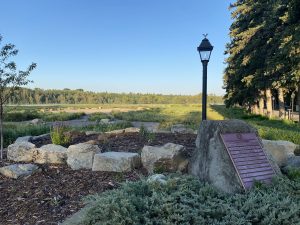 While The Listening Gardens will double as and educational space for many action items, grassland restoration, native trees, shrubs, plants and the traditional medicinal applications reflected in urban setting. We must not lose focus that the main purpose is to teach all walks of life about Traditional Ecological Knowledge. The main purpose of the garden is Treaty 7 and educating all people on not just indigenous ecology, but also customs, beliefs, stories and traditions. The idea of the gardens is unity, reconciliation and understanding. There is a reason, that against all odds, through all the adversity, these scared practices of the tribes in Treaty 7 have stood strong. It is because the day has come where all people must draw on this wisdom to heal ourselves, and in turn heal our mother earth.