
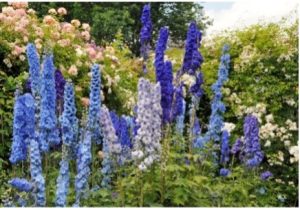
 The Blackfoot used the flowers as light blue dye for quills. First Nations people have deemed this plant unsafe to ingest in teas as large quantities can be dangerous.
Iriquois used it as a love medicine. Other tribes would dry the roots and smoke them in a pipe as there was a belief it would attract wild game. Other medicinal uses by First Nations would include a remedy for fevers, and rejuvenation for the skin. The mucilage from the root was also sniffed to clear nasal passages – the astringent root would cause the expulsion of mucous which would relieve pain and reduce elevated body temperatures. Poultices were also used by First Nations to treat headache, diarrhea and fever.
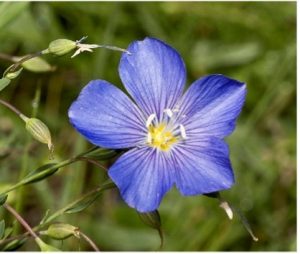
Wild flax seeds are rich in oil. Some were gathered by tribes and ground down to make flour. Flax leaves are often boiled to treat heartburn. Flax seeds contain essential fatty acids that are proven to lower blood fat and cholesterol levels and reduce clotting. Flax also contains lignans that help prevent prostate , breast and colon cancer. The stems are often used to make baskets, nets and fishing lines. The petals were often boiled to make face wash as well.
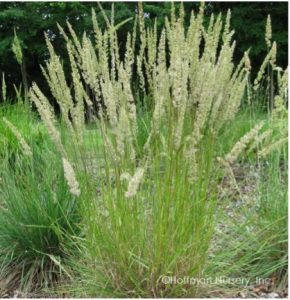
Seeds were crushed and made into flour. This plant was also used as paint brushes by First Nations people.
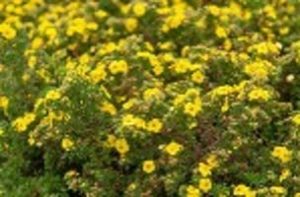
The roots of this plant were a food staple for First Nations of Alberta In fall the women would dig up the roots of these plants with digging sticks to gather enough for the winter. Nothing was ever wasted – it was discovered that root juices were a good remedy for inflamed eyes.
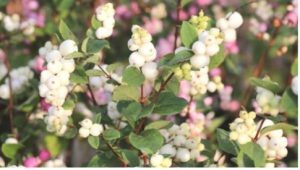
First Nations believed this bitter berry was the ghosts of past people and not to be eaten or consumed. First nations saw these as part of the spirit world.
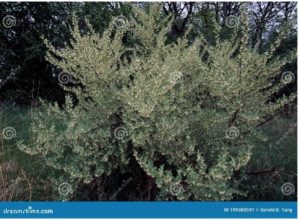
Silverberry is rooted deep in Metis heritage. The seeds were often made into beads to make necklaces. .They would use the plant to make clothing, blankets and rope.
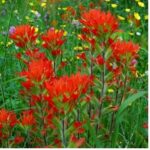
Much like the name, this plant was used by first nations as a paint brush. The flowers were also used to make shampoo.
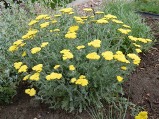
Yarrow is one of the most widely used medicinal plants due to its capability to stem bleeding as the alkaloids reduce clotting times. This plant was often used after birth to reduce bleeding.
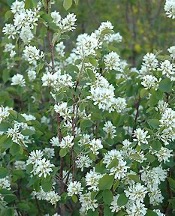
Cree, Metis and Blackfoot had saskatoon as a major food source. The plant was also used for crafting pipes and arrows. Saskatoons were also used as a mild laxative – the juice was also used as ear drops.
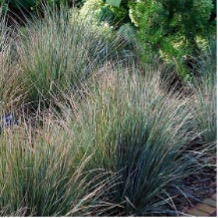
These grasses were often used to make blankets, they were also used for shelter, fire starter and used as chewing gum due to its sweet nature.
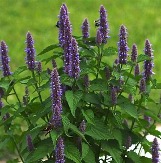
Often used in essential oils but can also be eaten raw or used in salads. Medicinal qualities include gastrointestinal as well as bronchial. This herb has been used to treat asthma, coughs, bronchitis, colds and respiratory infections. The plants were gargled to reduce tonsil swelling. Tea was derived and injested for gastrointestinal pain relief. The plant has been used as a blood regulator, increasing circulation and reducing blood pressure. This plant is also a companion plant to others as it reduces plant bacteria.
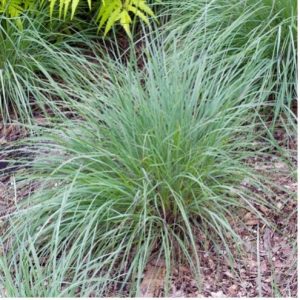
The Lakota used this grass by rubbing it together to create soft fur-like insulation for their shoes, blankets and homes.
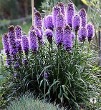
The roots were ground out by indigenous people and used as medicine for heart issues, arthritis and headache. It is also good for fluid retention reduction.
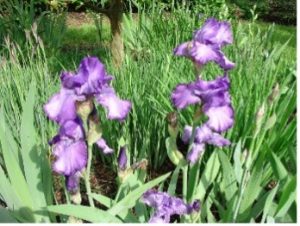
Some indigenous peoples placed northern blue flag rhizome on tooth cavities or gums to kill pain. Poultices of northern blue flag were used to reduce swelling and soothe burns and sores.
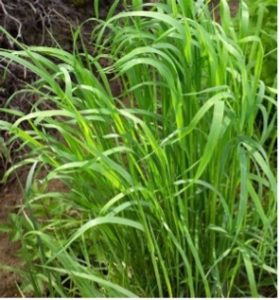
Strong vanilla scent – was is often used for perfumes. Sweet grass smoke was inhaled as a dry bath to relieve coughs. Some women wove the grass into their hair to repel insects. It was commonly braided and burned in ceremony as a means of purification, protection and blessings. Interwoven strands are a symbol to someone’s life growth and renewing powers.